Reviews





The quote is free and you see the price before work begins. No surprise charges at the end.
Filing a claim is easier with good records. We document everything and talk to your adjuster for you.
Certified technicians, professional drying equipment and moisture readings you can see for yourself. No guesswork.
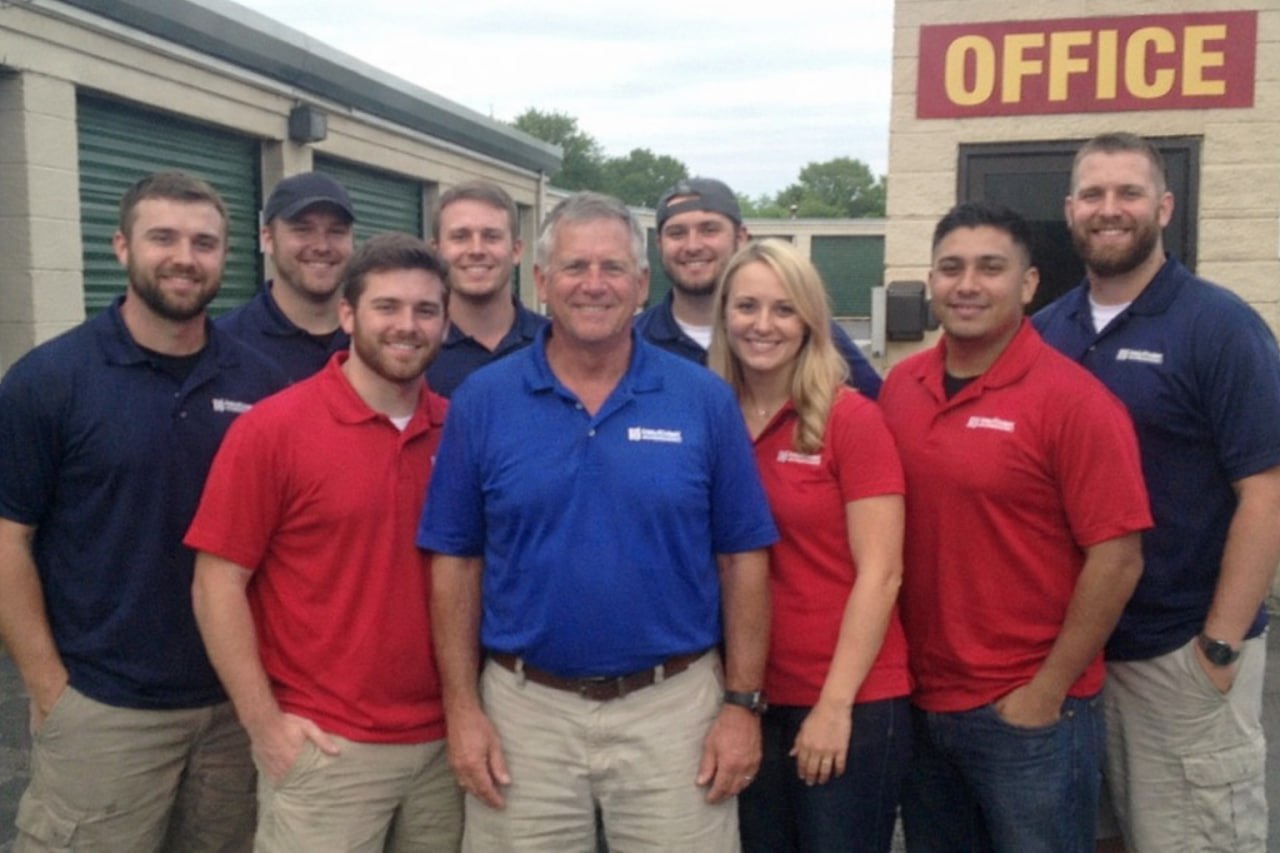
You do not have to work out how bad it is on your own. Call, tell us what you see, and a Syracuse technician will explain the next step and what it should cost.
Wood floors react to water quickly. Moisture enters each board through its underside and edges, the boards swell and press together, and cupping begins as the edges lift above the middle. Cupping alone is no reason to give up on the floor. When drying starts within the first few days, solid hardwood frequently lies flat again. What matters is removing moisture from the wood and from its subfloor steadily and under control.
We dry hardwood with floor drying mats. The mats are sealed to the surface and connected to a vacuum unit that draws moisture up through the boards and seams, while dehumidifiers keep the room air dry. Expect it to run a week or more, which is longer than drywall or carpet needs. Sanding has to wait until the wood is fully dry. Sand a cupped floor too soon and it will crown later.
No air moves and no light reaches the gap between the hardwood and the subfloor. Growth there is invisible from above and shows up first as a musty smell.
Leveling a damp, cupped floor with a sander takes wood off the lifted edges. After the moisture leaves, each board is left with a raised center, which is crowning.
Lingering moisture rusts the fasteners, which then hold the boards less firmly. The rust also bleeds into the wood as dark stains that sanding may not remove.
Moisture beneath flooring does not stay put. Cabinets and wall plates do not stop it, so it may enter adjacent rooms or come out at the ceiling one floor down.
Seams let the water through, and it fans out in the layer between flooring and subfloor. The surface may wipe dry while the underside stays soaked.
Boards swell and the edges rise. A cloudy look can appear in the finish. Mold can begin on the subfloor and the unfinished underside of the wood.
Pressure grows through the whole floor as the wood expands. Edges get crushed together, nails work loose and parts of the floor may start rising from the subfloor.
Black stains, buckled boards and mold beneath the flooring are now probable. Drying is usually no longer enough, and the bulk of the wet flooring has to be replaced.
It depends on the material, how long it stayed wet and how clean the water was. We test before we decide, and we tell you why.
Ask a Tech: (631) 535-3026| Material | Can usually be saved when | Has to be replaced when |
|---|---|---|
| Solid hardwood | Flooring still attached with cupping only, and drying begun in days | Boards that buckled, cracked or turned black, plus anything touched by sewage |
| Plywood subfloor | Plywood that stayed firm and level and meters normal after drying | Layers separating, soft spots or visible mold growth |
| Engineered hardwood | Planks wet only briefly on the surface, edges still tight | Planks that are delaminating, swollen or wet underneath |
| OSB or particle board | Only OSB showing no edge swell | Swollen OSB and nearly any wet particle board |
| Paper or felt underlayment | Paper underlayment left in place when the floor dries flat | Wet layers uncovered during board removal or showing growth |
Our team meters the wet boards, the subfloor under them and a dry area of floor to compare against. From those numbers we learn the depth of the water and if the floor can realistically be saved.
Standing water is extracted right away and rugs and furniture are moved off the wet area. Cutting off the water entering the joints early keeps swelling down.
Floor mats are taped down and connected to a vacuum system that pulls moisture up through the boards. Dehumidifiers control the room so the wood dries evenly without cracking.
We track readings every day or two until boards and subfloor match dry reference areas. Then we tell you whether the floor needs refinishing, a few boards replaced, or nothing.
Have a different question? Call us and we will answer it over the phone.
Call (631) 535-3026Don't wait for small problems to become expensive emergencies. Call Syracuse Restoration for fast, reliable service.
Call (631) 535-3026 Now